1.From Participatory Art to Research Inquiry
My practice increasingly moves between participatory art and practice-led research. I am attentive to the difference between creating participatory experiences and critically examining participation itself as a mode of feminist knowledge production.
This trajectory marks a shift from making work to questioning how knowledge, care, and authority are produced through performance.
This trajectory marks a shift from making work to questioning how knowledge, care, and authority are produced through performance.
2.Research Questions in Motion
Rather than beginning with fixed answers, my research is driven by questions that emerge through practice: what kinds of knowledge can be generated through embodied writing? How does participation shape what is spoken, withheld, or carried collectively?
What happens when Nüshu moves across cultural and diasporic contexts?
Rather than beginning with fixed answers, my research is driven by questions that emerge through practice: what kinds of knowledge can be generated through embodied writing? How does participation shape what is spoken, withheld, or carried collectively?
What happens when Nüshu moves across cultural and diasporic contexts?
3.Returning to Jiangyong: Fieldwork as Methodological Shift
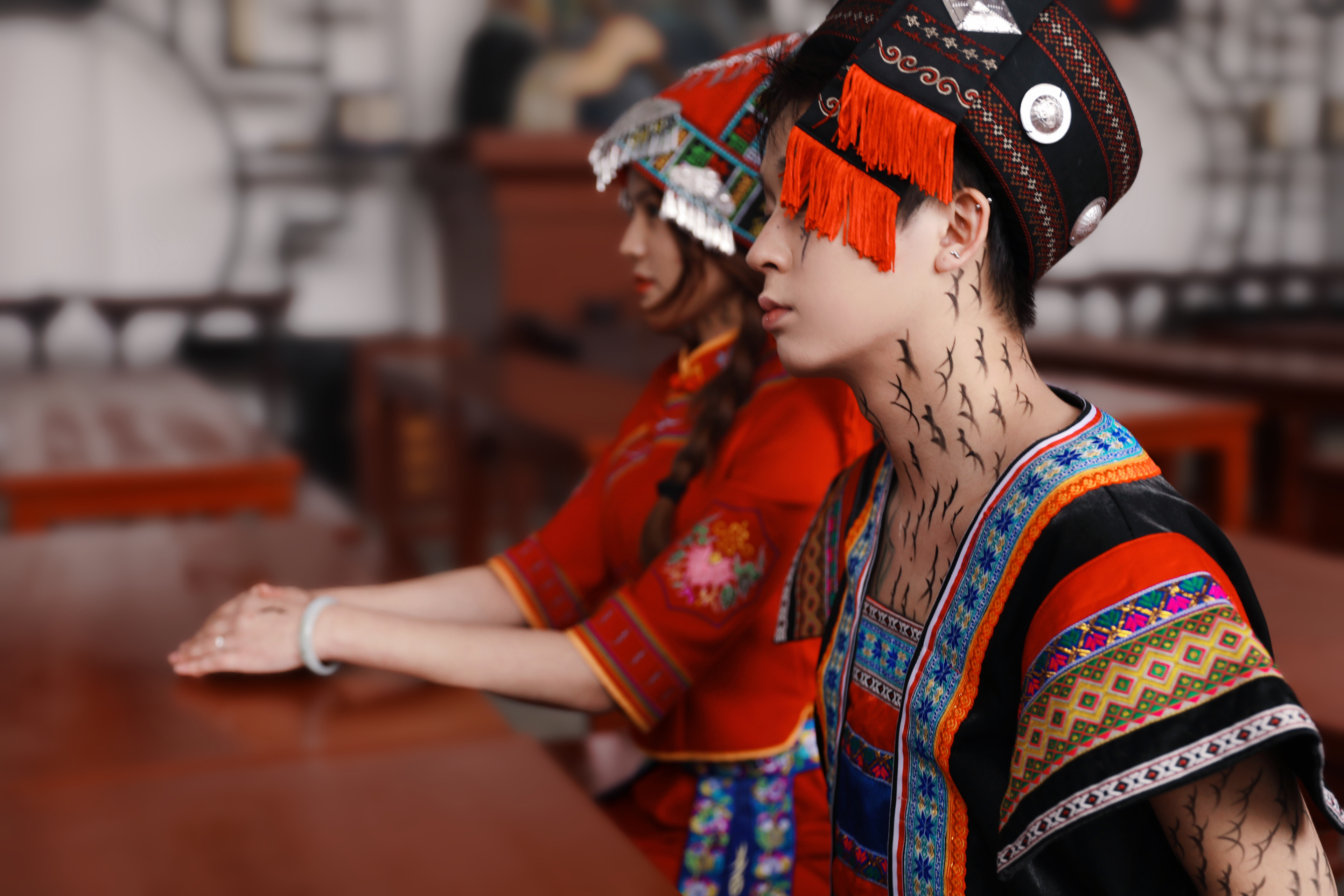
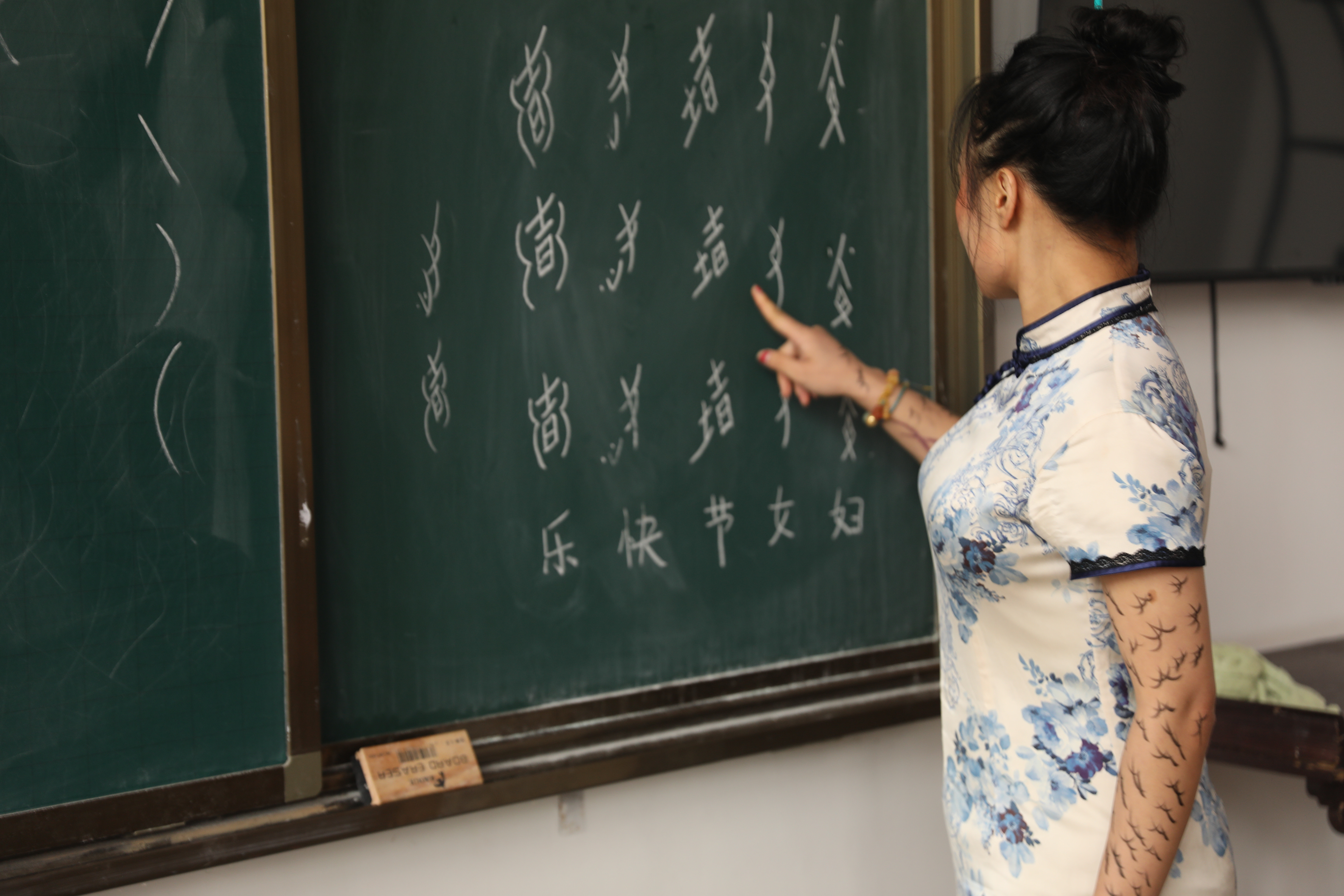
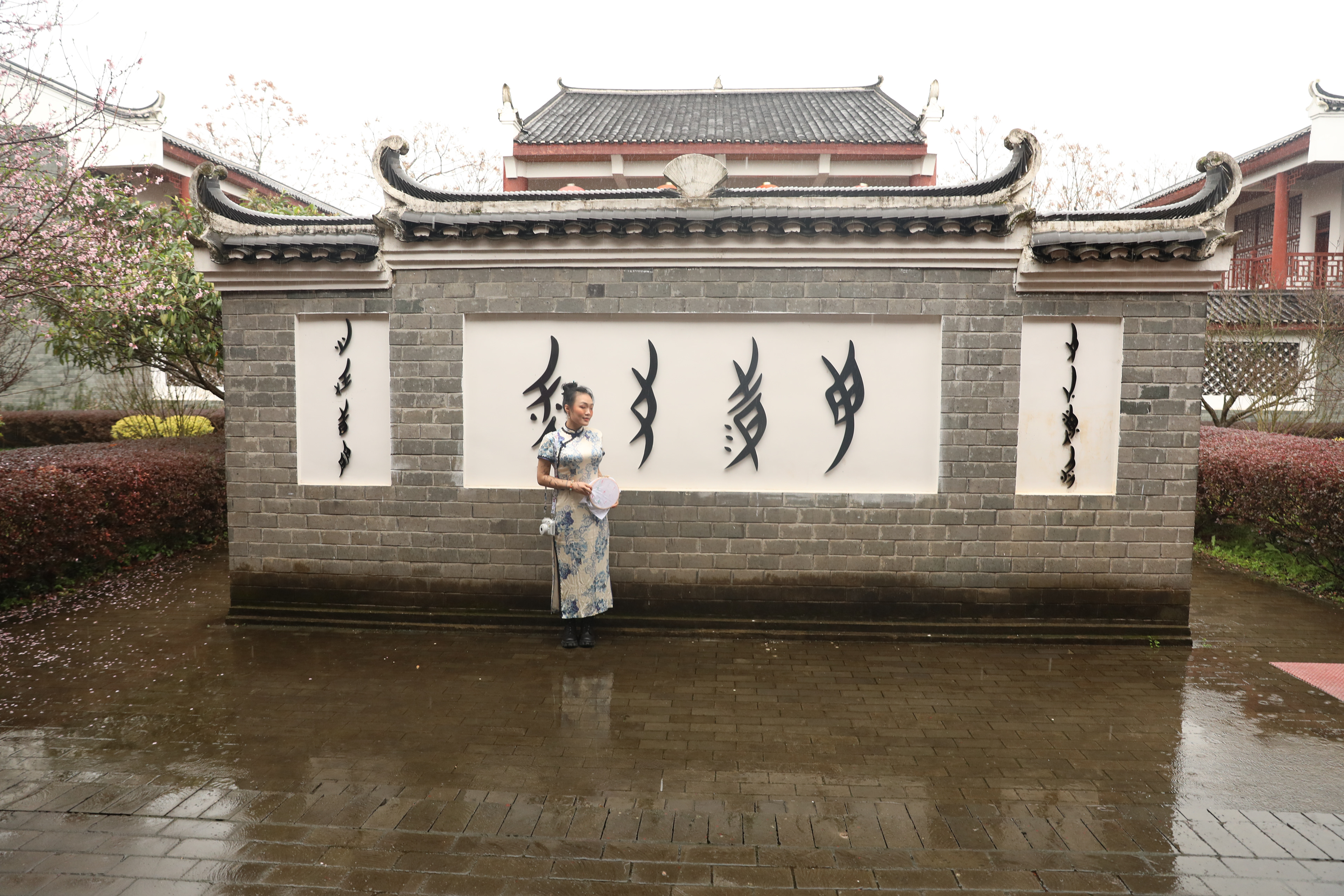
In 2024.3, I took a field trip back to Jiangyong County where nushu origianlly developed and invented.
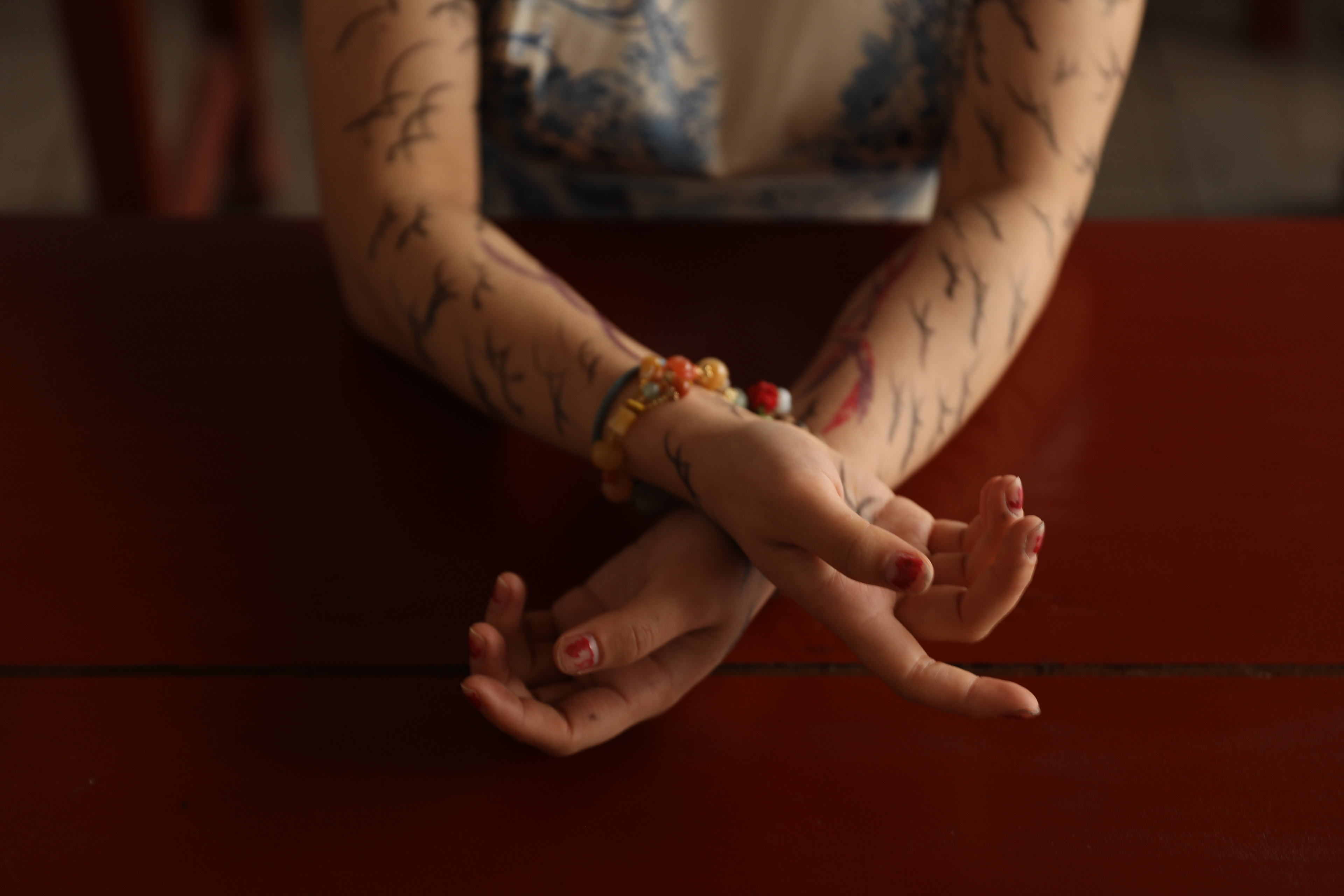
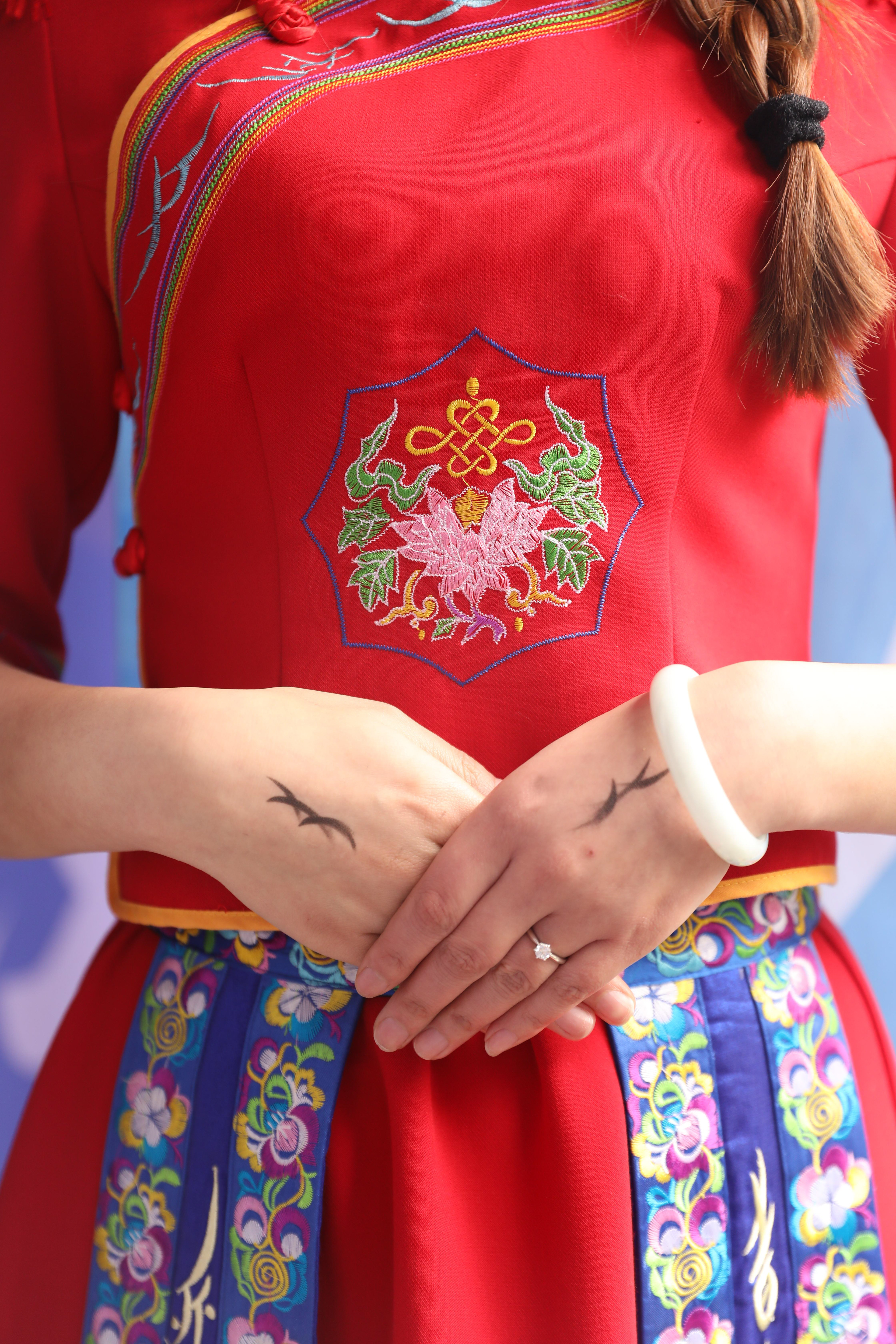
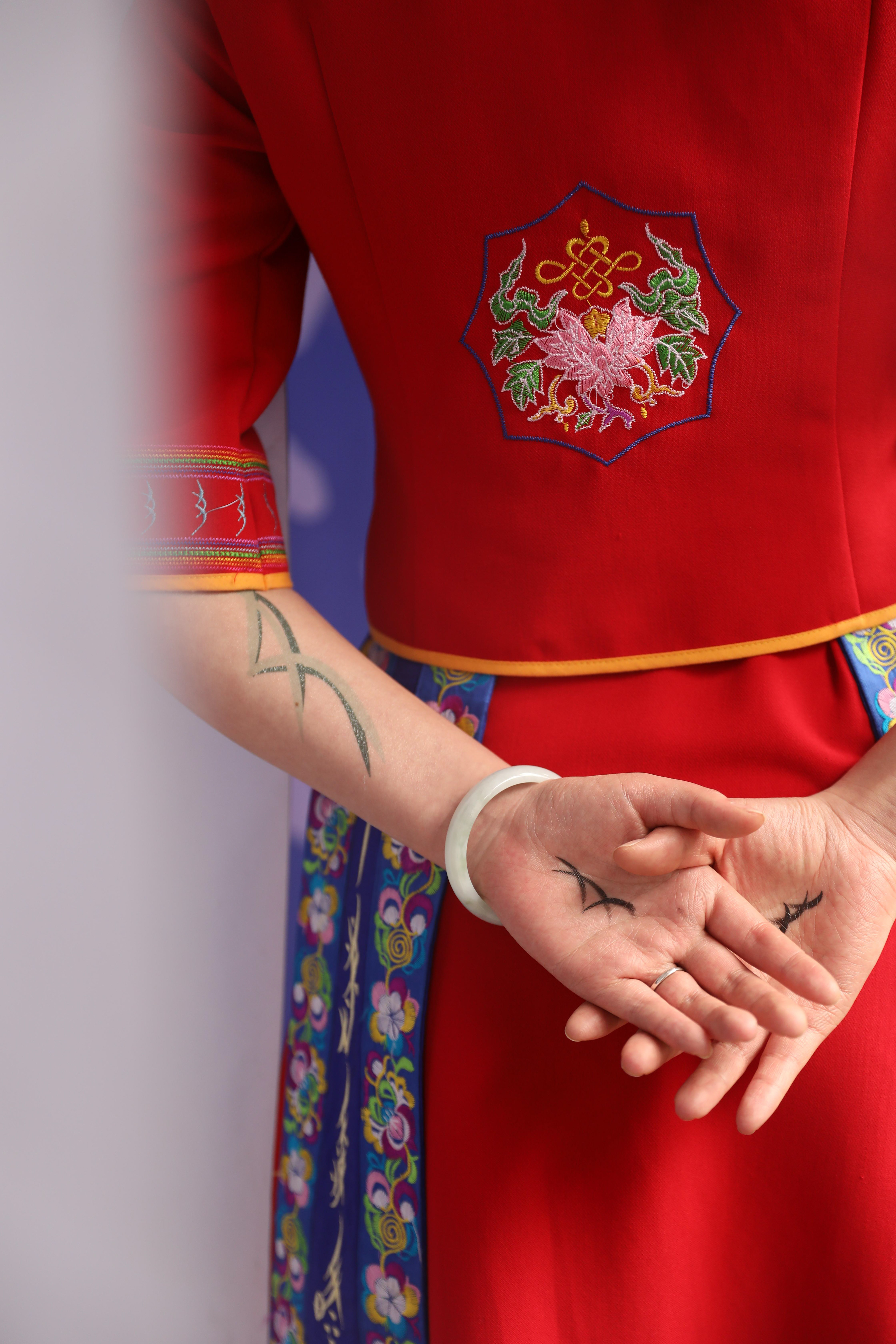
Through the field trip, I realised that Nüshu is not simply a language, but an entire cultural system. It is written, sung, woven, and gathered around. It lives in melodies, materials, gestures, and communal events. These practices cannot be separated; together they form a culture shaped by women’s lives.
Understanding Nüshu in this way moved my practice beyond translation or preservation. It revealed a living ecology of language, sound, material, and collective presence.
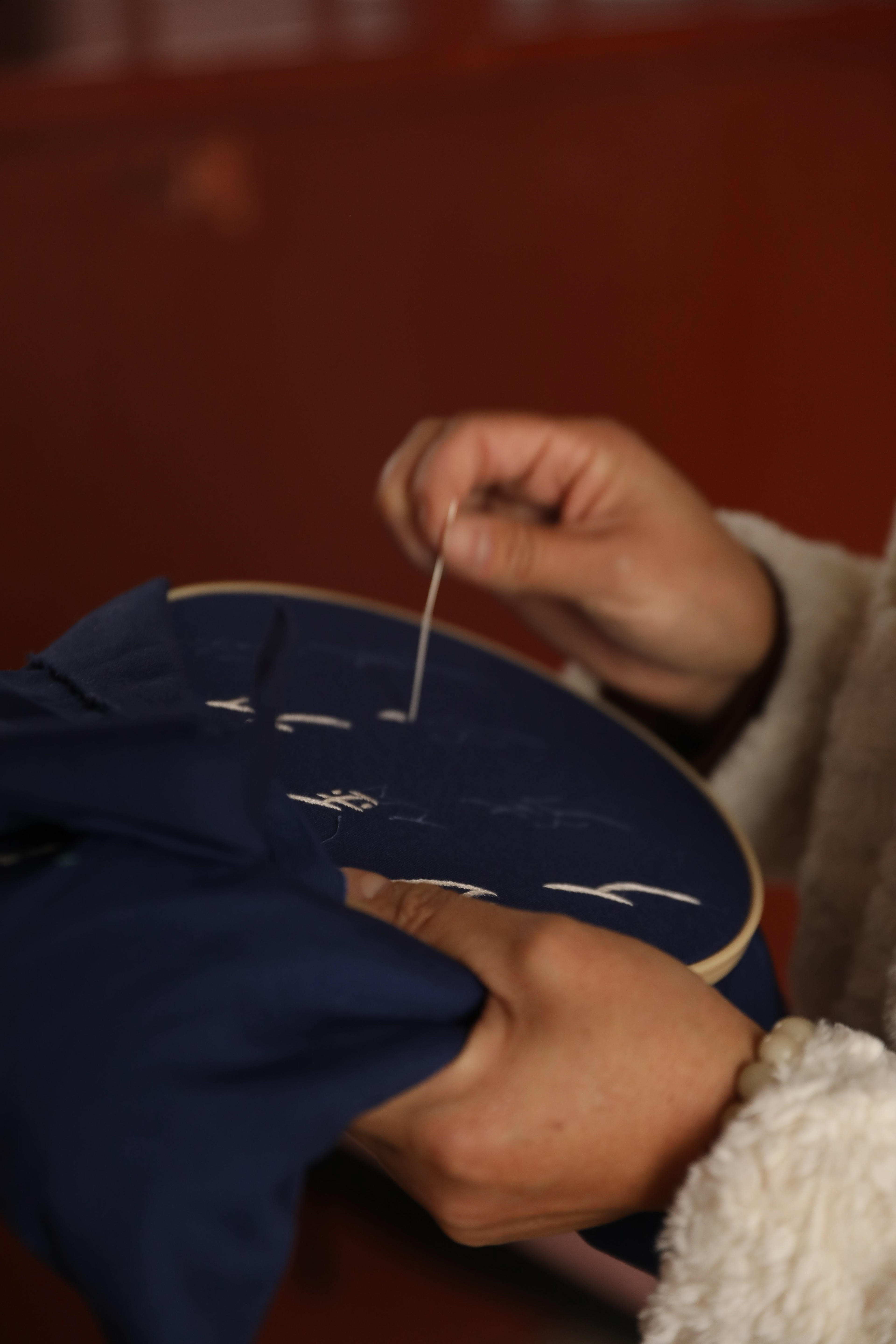
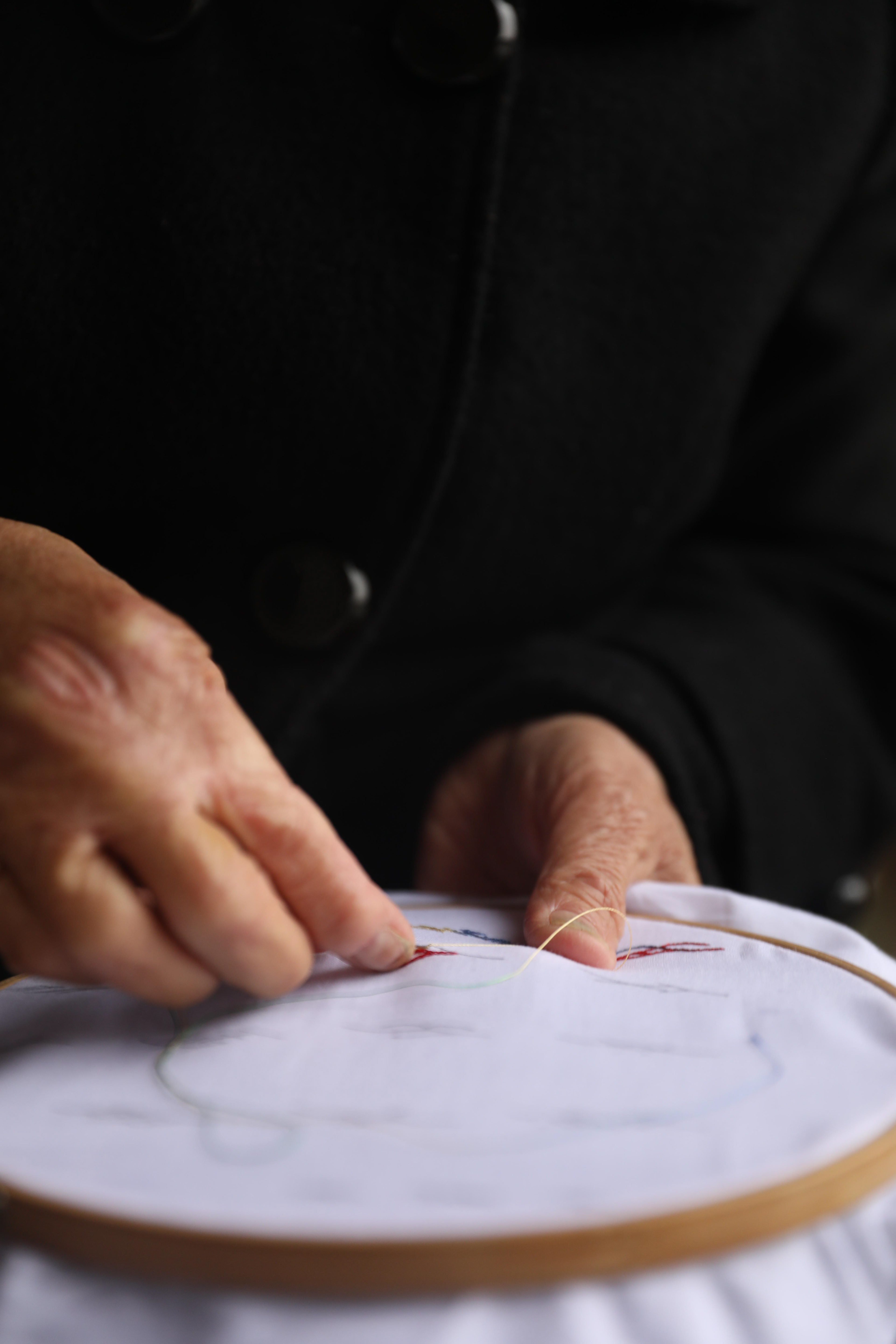
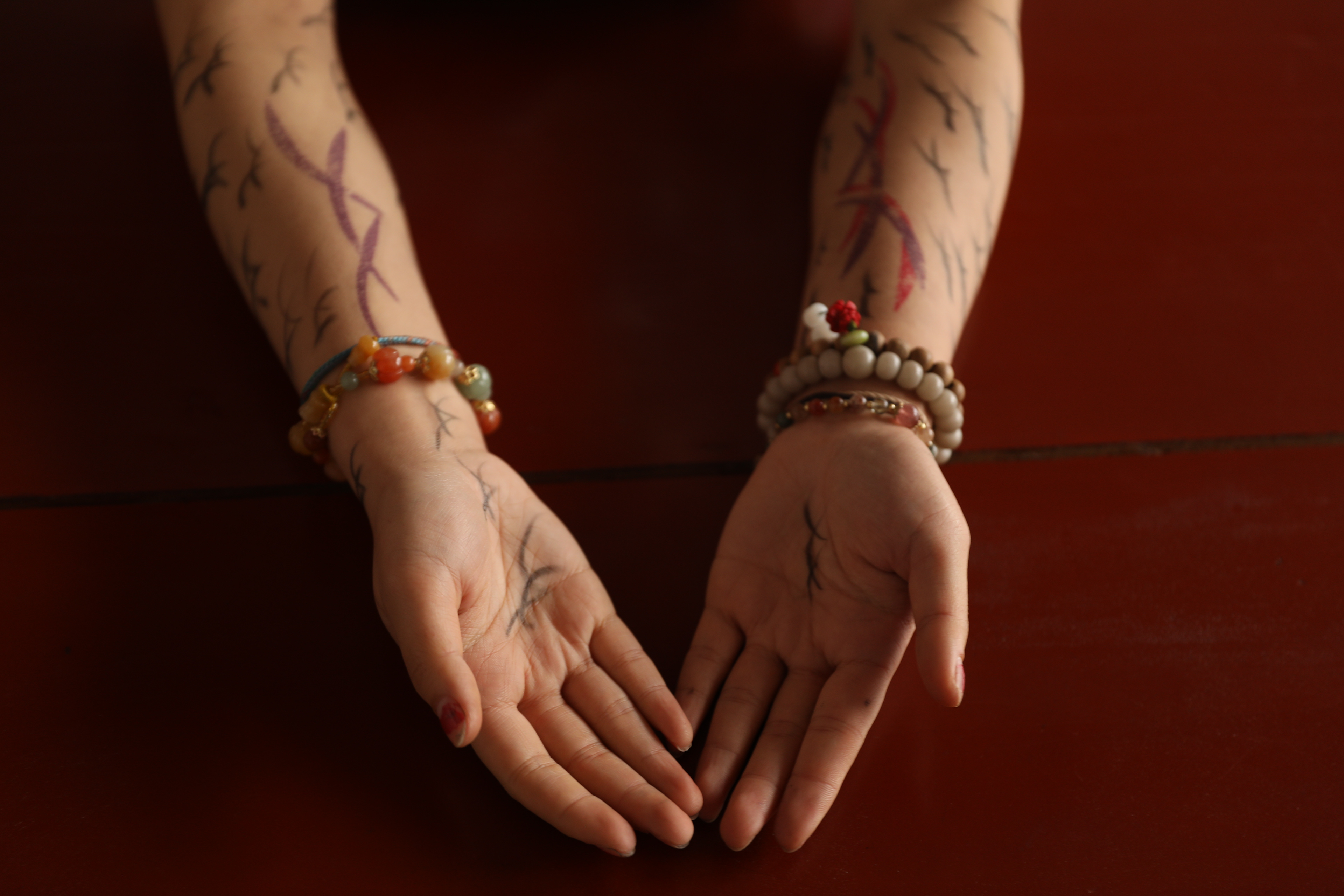
This encounter reshaped how I understand fieldwork not as data collection, but as a way of learning when not to translate.
4.Who is involved and why?
This work grows from long-term relationships with East Asian diasporic women and migrant communities formed through workshops, performances, and collaborative settings. These are not neutral participants but communities whose experiences of migration, linguistic displacement, and cultural invisibility shape the ethical and methodological concerns of the research.
5.Ethics, Care and Withholding
I am cautious of participatory frameworks that demand disclosure or testimony. Ethical care in this research includes the right not to speak, to work through gesture, and to remain partially unseen. These considerations shape both the form and limits of my practice-led research.